St. David’s, Pembrokeshire 8/8/23
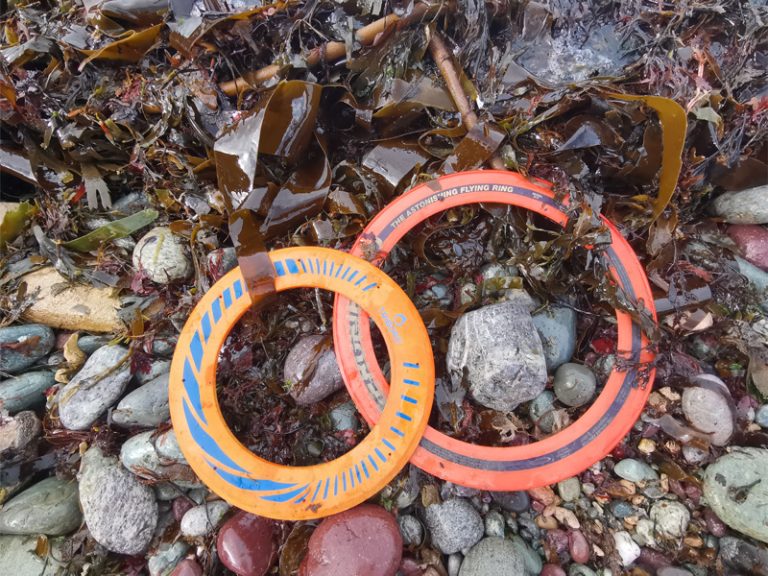
Seal conservation groups are asking beach users not to use ‘flying rings’ on their beach visits because of seal deaths and injuries resulting from the use of what are essentially Frisbees with a hole in the middle.
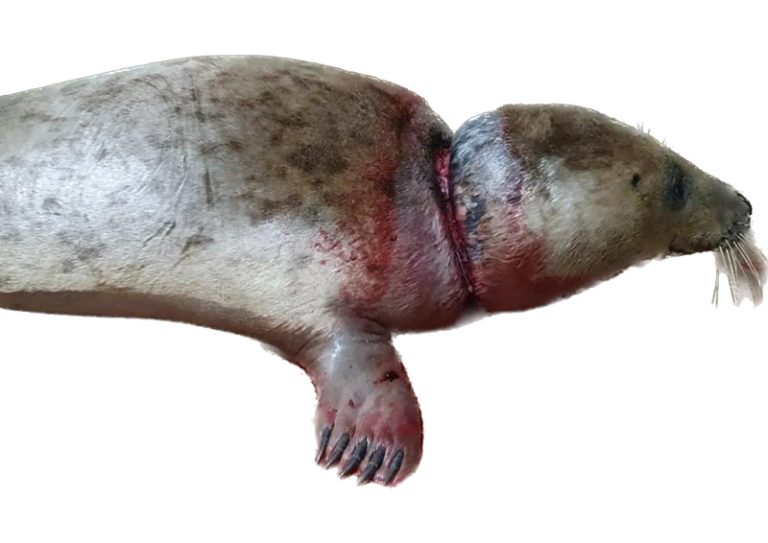
“Lost flying rings float and as seals are inquisitive creatures and like to investigate and play with floating objects, a seal may unwittingly push its head through the hoop and is then unable to detach itself” – says Jacki Sime of Pembrokeshire Seal Research Trust.
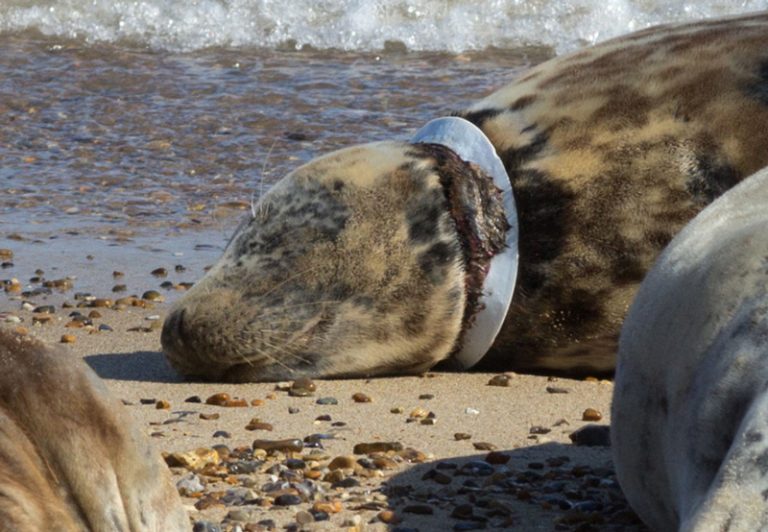
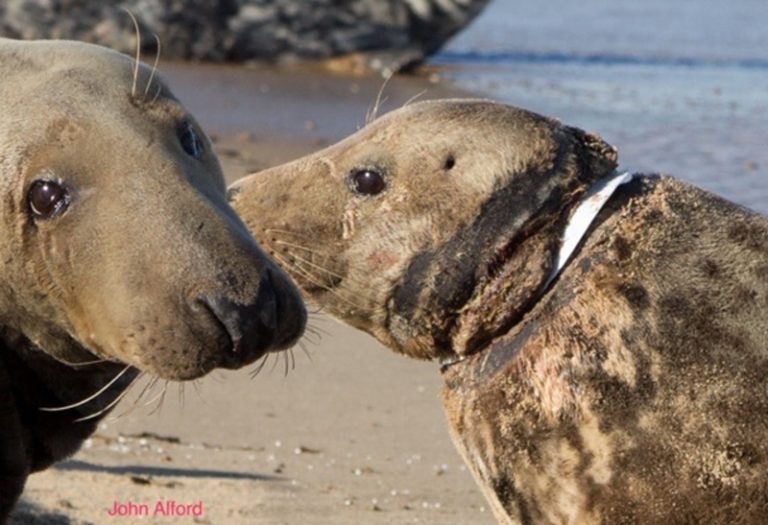
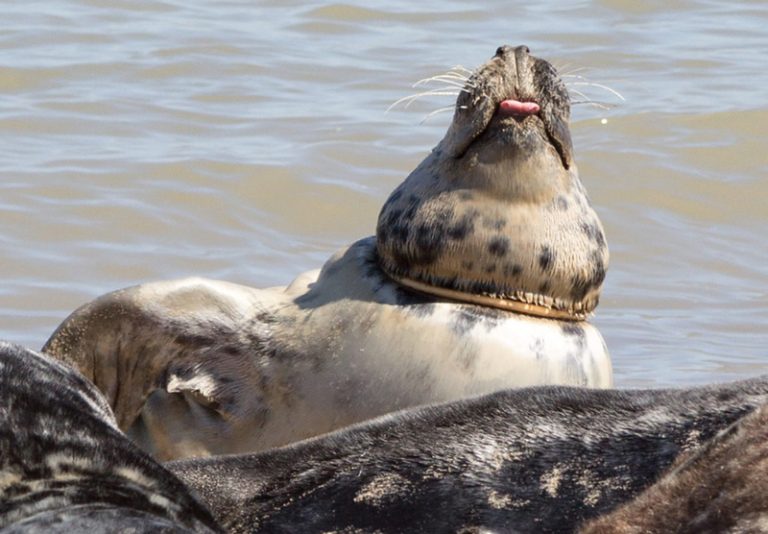
“Even if the flying ring doesn’t cause strangulation, it continually cuts and rubs a seal’s neck raw, which can lead to life threatening infection as well as hindering a seal in moving freely, feeding and even the ability to float upright and breath while sleeping can be compromised, resulting in a protracted decline in wellbeing and health”
The rings are not made from biodegradable plastic, which means they can remain in the coastal environment for many years, all the time a hazard to seals and other marine life.
Seals are regularly seen in difficulty around the UK coast, with flying rings caught around their neck, or are found dead with the ring still attached.
Juveniles are particularly susceptible as a smaller seal can push its head through a smaller flying ring and as the seal grows the ring tightens and becomes more debilitating and damaging over time, causing long-term suffering and, eventually, a painful death.
“We’re not asking people to stop having fun on the beach, but rather than use a flying ring we’d ask that they use a traditional Frisbee instead,” says Jacki.
A campaign to raise public awareness – ‘Say No to the O’ – was started in 2019 by Friends of Horsey Seals in Norfolk, and seal conservation groups are looking to expand it after the recent well publicised rescue in Cornwall of a female seal called ‘Wings’, who had lived with a flying ring caught around her neck for several years.
Currently, national retailer ‘Pets at Home’ has agreed to stop selling flying rings, and Asda is removing all flying rings for sale in their coastal outlets. WH Smith has already removed the product from their stores, and many independent retailers around the UK have permanently stopped selling the rings. And councils around the UK, including the Borough Council of King’s Lynn and West Norfolk, have banned flying ring use from their beaches.
Pembrokeshire Seal Research Trust is appealing to members of the public, wholesalers and retail outlets to help make Pembrokeshire, which is a stronghold for breeding grey seals ‘flying ring free’.
For more information about the flying ring issue and how you can help, or about ocean waste and lost fishing gear entanglement please contact info@pembrokeshiresealresearchtrust.wales